
Cement, Gypsum & Steel
Gypsum Finish (DOVA-802)
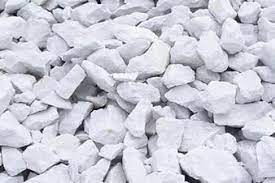
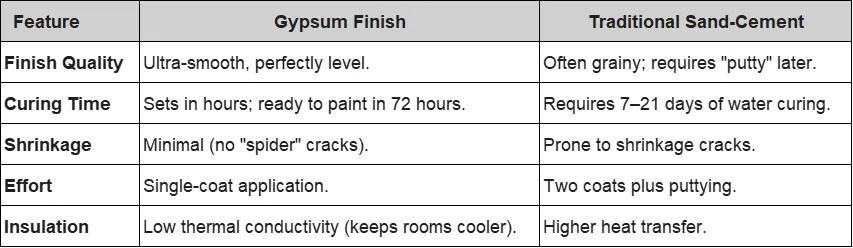
Gypsum Finish DOVA-802 (plaster finish) is a modern alternative to sand-cement plastering — applied directly onto brick, block or concrete to create a smooth, ivory-white surface ready for painting, often with no need for wall putty.
Application Process
1. Surface Prep
The wall is cleaned of dust, oil and loose mortar; a bonding agent (suction-control liquid) is applied to concrete surfaces.
2. Levelling
Small “dabs” of gypsum are applied to the wall to ensure the final surface is perfectly plumb and level.
3. Application
The gypsum paste is applied with a trowel — unlike cement it is “fatty” and easy to spread.
4. Finishing
As it sets, the plasterer uses a straight edge and finishing trowel to polish the surface to a glass-like finish.
Pro Tips
- Avoid wet areas — gypsum is “thirsty”; do not use it in bathrooms or external walls exposed to constant moisture.
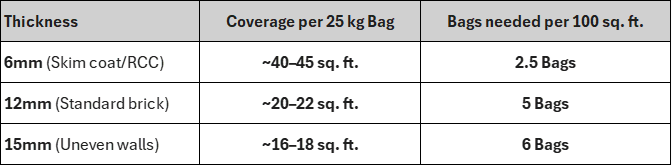
- Check thickness — ideally 6–15 mm; if a wall is very uneven, fix the masonry first rather than overloading the gypsum.
- Skip the putty — a high-quality gypsum finish needs only a primer coat before painting.
Coverage (per 100 sq ft, 12 mm)
25 kg bagsapprox. 4–5 bags
40 kg bagsapprox. 2.5–3 bags
Benefits & Coverage
Ready to get started?
Let’s talk about creating your competitive advantage.
Frequently Asked Questions
What is Gypsum Finish and what is it used for?
Egyptian gypsum finishing plaster for export — smooth machine and hand-applied gypsum plaster for interior walls and ceilings. Mada Trade Co.
Can Mada Trade Co. export Gypsum Finish internationally?
Yes. Mada Trade Co. exports Gypsum Finish from Egypt to markets across the Middle East, Africa, Europe and Asia, offering FOB, CIF and CFR shipping terms from Egyptian ports.
What packaging and minimum order quantities are available for Gypsum Finish?
Packaging and minimum order quantity depend on the grade and destination. We supply in bulk, bags, pallets or full containers to suit your shipment — contact our export team for current MOQ and packing options.
How do I request a sample or price quotation for Gypsum Finish?
Send an inquiry through our contact page with your required specification and destination port. Our export team will respond with a quotation and, where available, product samples.